
With rising energy costs and growing concerns about environmental degradation, prioritising energy efficiency is no longer optional – it is a necessity.
While every building component plays a crucial role, glass is a key factor in reducing energy consumption and creating more eco-friendly spaces.
This blog compares two popular glass options – green-tinted glass and clear glass – with a focus on their energy efficiency, helping you make an informed choice for energy-efficient glass.
Green-Tinted Glass: A Solar Control Solution
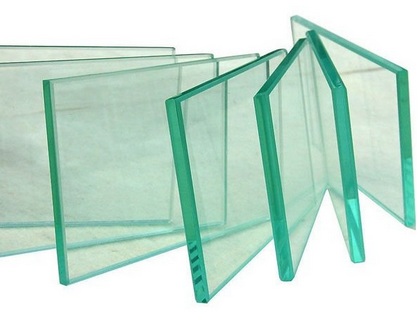
Green-tinted glass is a specialised glass solution manufactured by adding specific metal oxides to the raw material. This addition imparts a tint to the glass while enhancing its heat-absorbing properties.
The resulting green-tinted glass absorbs around 30% to 45% of solar heat (depending on tint and thickness), significantly reducing the amount of solar radiation that enters a building and making the structure more energy-efficient and environmentally friendly.
This offers several benefits, including:
- Minimised heat gain and solar glare
- Reduced air-conditioning usage and energy costs
- Improved occupant comfort
- Enhanced UV protection
- Minimal fading of furniture and carpets
Clear Glass: A Transparent Solution
Clear glass is a versatile solution that features a uniform, smooth surface with a transparent, crystal-clear finish. It allows natural light to pass through while providing distortion-free vision.
This provides several advantages, such as:
- Maximum natural light transmission
- Reduced need for artificial lighting
- Unobstructed and clear views
- Improved aesthetics
Unlike green-tinted glass, clear glass does not absorb solar heat, which can lead to increased heat gain and higher energy costs.
In terms of energy efficiency, clear glass does not inherently possess energy-saving properties. However, it can be enhanced with high-performance coatings, such as:
- Low-E Coating: Minimises heat transfer between spaces and reduces energy loss.
- Glare Control Coating: Absorbs sunlight glare and reduces reflectivity from the glass surface.
- Tinted Coating: Absorbs solar heat and glare, reducing heat gain, lowering energy bills, and protecting belongings from degradation.
- Insulation Coating: Minimises thermal conductivity, reflects radiant heat, and creates a thermal barrier.
Green-Tinted Glass vs. Clear Glass: A Comparison Based on Energy Efficiency
When it comes to energy efficiency, green-tinted glass is generally considered the better option, as it absorbs solar heat, reducing energy consumption and electricity bills.
This makes green-tinted glass ideal for buildings in warm climates or areas with high solar exposure.
On the other hand, clear glass, while aesthetically pleasing, allows heat transfer, which can increase energy consumption.
However, this does not mean that clear glass cannot be energy-efficient. When paired with advanced coatings that provide heat insulation, clear glass can also be a suitable choice.
Thanks to these coatings and treatments, clear glass can transform a standard space into an energy-efficient one while maintaining transparency and aesthetic appeal.
Green-Tinted Glass vs. Clear Glass: A Comparison Based on Other Factors
| Parameter | Green-Tinted Glass | Clear Glass |
| Maintenance | Easy to clean and resistant to dirt and stains | Easy to clean but may show dirt and stains |
| Cost | Generally more expensive | Comparatively less expensive |
| Weight | Heavier | Usually lighter than green-tinted glass |
| Suitability | Ideal for those seeking an added level of privacy | Perfect for those who want their space to feel more spacious and open |
| Benefits | Solar heat absorption, enhanced aesthetic appeal, and protection against glare | minimal distortion, clear vision, and sparkling surface |
| Usage | Partitions, doors, shelves, furniture, and windows | Shopfronts, partitions, doors, shelves, furniture, and windows |
Conclusion
From an energy efficiency perspective, both green-tinted glass and clear glass have their own strengths and weaknesses.
Ultimately, the choice between the two depends on specific building requirements, climate, budget, and design preferences.
By considering factors such as solar exposure, thermal performance, and visual appeal, architects, designers, and builders can select the right glass to achieve the desired level of energy efficiency and sustainability.
Whether you need clear or green-tinted glass, AIS Glass – one of the top glass suppliers in India – offers a comprehensive selection of products to meet varying architectural needs.
To find the perfect glass solution for your project, visit AIS Glass today.